Introduction to Modern Gardening Challenges
Gardening today exists at the intersection of changing environmental conditions, historical traditions, and evolving policy landscapes. As weather patterns shift, horticulturists and garden enthusiasts alike must adapt their practices to ensure plant survival and landscape resilience. Official updates from across the horticultural and environmental sectors provide valuable insights into how gardens are managed, how historical practices compare across regions, and what broader ecological discussions mean for green spaces.
Understanding these developments requires looking at both practical garden management and the external factors influencing plant life. From managing water resources during dry spells to examining historical perspectives on garden design, contemporary gardeners face a diverse array of considerations that shape how they cultivate their plots.
Adapting to Drier Summers in the UK
With UK summers experiencing increasingly dry conditions, gardeners are actively seeking ways to maintain healthy landscapes without excessive water use. According to reports from The Guardian Gardens, even well-established drought-tolerant public spaces are facing visible stress as rainfall decreases and temperatures rise.
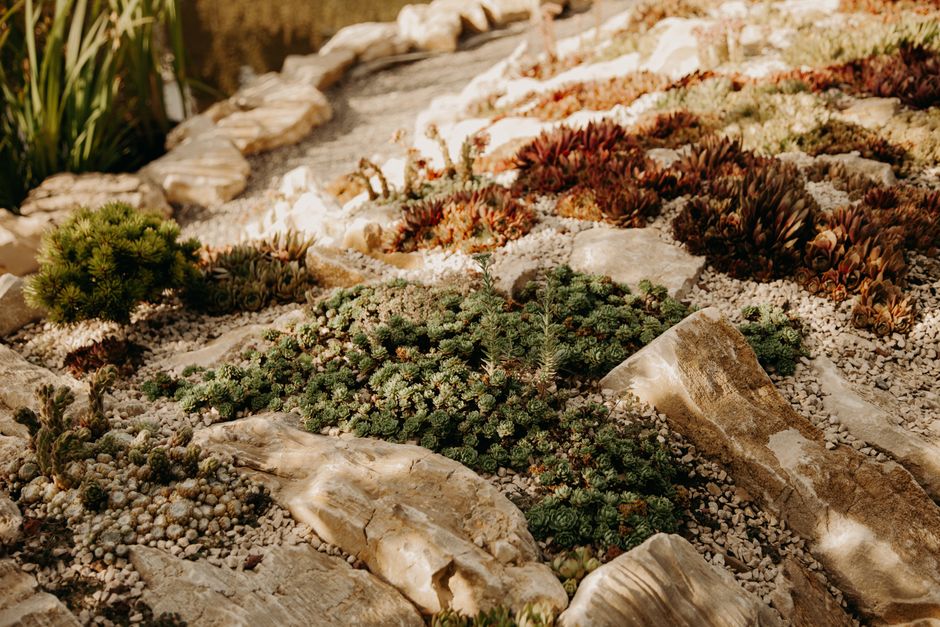
Horticultural experts emphasize the importance of selecting resilient plant species capable of thriving in low-moisture environments. Establishing unwatered public gardens, such as those pioneered in Essex, provides a real-world testing ground for identifying which flora can endure severe dry spells. Gardeners are increasingly turning to these examples to guide their own planting decisions, prioritizing deep-rooting perennials and gravel garden layouts.
The Legacy of Drought-Resistant Landscape Design
The pioneering work of visionary plantswomen has left a lasting impact on modern horticulture, particularly regarding dry garden management. Decades of experimentation in some of the country's driest regions have demonstrated that lush, diverse plantings can survive with minimal artificial irrigation once established.
These experimental plots serve as crucial educational resources for modern gardeners navigating water restrictions. By observing how specific plants react to prolonged dry periods, cultivators can better plan residential and public green spaces to withstand future climate pressures while maintaining aesthetic appeal.
Comparative Horticulture: England and France in 1926
Looking back through historical archives offers a fascinating perspective on how garden design styles have evolved. Archival entries from The Guardian Gardens highlight a 1926 comparison between French and English gardening traditions, noting distinct cultural approaches to landscape design.
While English gardening traditions historically favored country house aesthetics with lavish herbaceous borders and informal parkland bedding, French gardening leaned heavily toward urban and conventional artistry. These historical observations illustrate how regional architecture and lifestyle influenced whether public parks and private villas adopted structured formality or more expansive, varied planting schemes.
Regional Variations in Planting Styles and Materials
The historical comparison between British and continental gardening traditions also sheds light on material usage and plant selection. Historical diarists noted the common French practice of utilizing wisteria along upper rails above garden walls, alongside oleanders and hydrangeas housed in decorative tubs.
At the same time, observers pointed out that English gardens often maintained a greater variety of plant material and freedom from strict convention. Recognizing these historical preferences helps modern landscape historians understand the roots of contemporary design trends found in urban parks and residential neighborhoods today.
Furthermore, flower markets in major European cities have long served as hubs for indoor decoration and specialized plant sales, showcasing unique botanical varieties that influenced domestic gardening practices across borders.
Examining these historical records reminds modern horticulturists that garden design is an ever-evolving cultural expression, shaped by both local climate and artistic tradition.
Environmental Policy and Ecological Context
Gardening and plant cultivation do not exist in a vacuum; they are closely tied to broader environmental policies and industrial projects. Recent updates from BBC News Science & Environment highlight the conclusion of public consultations regarding major industrial developments, such as the controversial Rosebank oil field project.
While such projects primarily concern energy policy, the ongoing debates between supporters and opponents underscore the intense public focus on environmental governance and carbon reduction. Gardeners and conservationists alike monitor these policy decisions closely, recognizing the direct link between large-scale industrial activity and global climate stability.
Agricultural Regulations and Rural Communities
In addition to energy projects, rural and agricultural updates frequently intersect with environmental management discussions. Recent reporting from BBC News Science & Environment details discussions involving farming unions and regional policy, such as responses to cattle culls and agricultural governance claims.
These rural developments highlight the complex relationship between food production, disease management, and environmental stewardship. Maintaining open communication between agricultural representatives and policymakers remains vital for balancing ecological health with rural livelihoods.
Conclusion: The Future of Gardening and Plant Care
As gardeners look toward the future, the combination of practical climate adaptation, historical awareness, and environmental advocacy will continue to shape the horticultural landscape. Whether implementing drought-resistant planting strategies inspired by pioneering Essex gardens or staying informed on environmental policies impacting rural and urban ecosystems, today's cultivators play an essential role in fostering resilient green spaces.
By integrating lessons from the past with innovative approaches to water conservation and environmental awareness, the gardening community remains well-equipped to face upcoming ecological challenges.
Sources